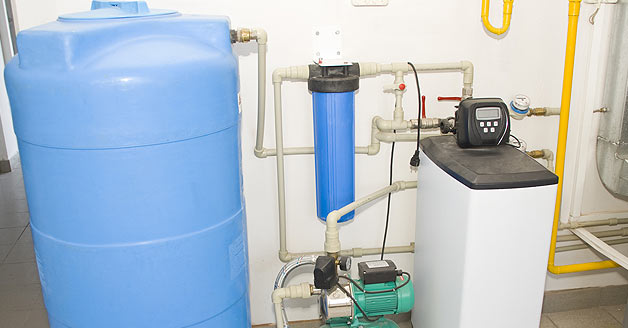
Many people talk about the danger of hard water, but what exactly does that mean? When your water contains high levels of magnesium or calcium it’s considered hard. The experts at PlumbCrazy are trained and experienced in the installation and repair of water softeners. A water softener will neutralize the minerals and make your water safe.
Don't just soften your water, clean it up by installing a new water filtration system today! Call us for personalized solutions and friendly advice.
How Does a Water Softener Work?
If your water has high levels of minerals such as magnesium or calcium, it is considered hard. Water gets these minerals in it from surrounding rock or soil. Since hard water can cause serious damage to your appliances, making the water safe to drink and use is vital.
A water softener uses salt in a separate tank to neutralize the minerals in your water. The salt ions bind to the magnesium and calcium, neutralizing it, making your water safe to consume and use in your appliances.
Why Is Hard Water Bad?
Many homeowners complain that hard water smells and tastes bad, but there are other issues it can cause. The minerals in the water can create a scale that builds up in your appliances. Scale can seriously damage your water heater, taps, and other plumbing appliances. Over time, the scale buildup can be so bad that your appliances will become too clogged and need to be replaced.
Hard water is also more difficult to lather and can make washing or showering unpleasant. If the soap isn’t able to lather, you won’t get the same cleaning power as you would with soft water.
Are your sinks and faucets stained by hard water? Consider replacing them with our bathroom remodeling services.
Signs You Could Benefit From a Water Softener
Most homes in rural areas could benefit from a water softener. If you are experiencing any of the following signs in your home, you should look into installing a water heater:
- Bad smelling or tasting water.
- Scale buildup on your faucets or other appliances.
- Difficulty lathering soap.
- Brown or yellow stains on your clothes out of the laundry.
Any number of these signs can mean you are being negatively impacted by hard water. A water softener will solve all of these problems and more, making your water safe and efficient.
Benefits of Installing a Water Softener
Installing a water softener offers numerous benefits, including improved water quality and extended lifespan of appliances. Soft water not only enhances the taste and odor of drinking water but also helps maintain the efficiency of appliances like dishwashers and laundry machines, reducing the frequency of repairs and replacements.
In addition to appliance care, soft water can also make household chores easier. Since soft water allows soap to lather more effectively, it enhances cleaning power when washing clothes, dishes, and even yourself. This leads to less soap usage and better results, showcasing the high value of a water softener in everyday life.
Cost Considerations for Water Softener Installation
Understanding the costs associated with installing a water softener is crucial for homeowners. Factors such as system type, installation complexity, and any additional plumbing requirements can influence overall pricing. It's advisable for customers to obtain multiple quotes and consult with professionals to gain a clearer idea of expected expenses.
Moreover, while the initial investment might seem significant, many homeowners find that the long-term savings on utility bills and appliance repairs justify the cost. Investing in a water softener can lead to prolonged appliance life and reduce energy consumption, resulting in lower household expenses over time.
Maintenance Tips for Your Water Softener
Regular maintenance is key to ensuring your water softener operates efficiently. Homeowners should routinely check and refill the salt supply, as well as periodically clean the brine tank to prevent buildup of minerals. Following manufacturer guidelines and scheduling professional check-ups can help sustain optimal performance.
Additionally, monitoring the system’s performance can help identify any issues early on. Signs such as reduced softness or salt bridging may indicate the need for adjustments or repairs. By keeping a close eye on their water softener, homeowners can optimize functionality and extend the system's lifespan.
What to Expect During Water Softener Installation
When scheduling a water softener installation, homeowners can expect a thorough assessment of their existing plumbing setup. A qualified technician will arrive to evaluate the home’s water supply and recommend the best system based on specific needs, ensuring that the installation process is tailored to each situation.
During the installation, the technician will provide a clear timeline and explain each step of the process. From connecting the system to your home’s water line to testing the softening process, transparency is key. After the installation is complete, the technician will provide instructions on operation and maintenance, ensuring the system functions smoothly from day one.